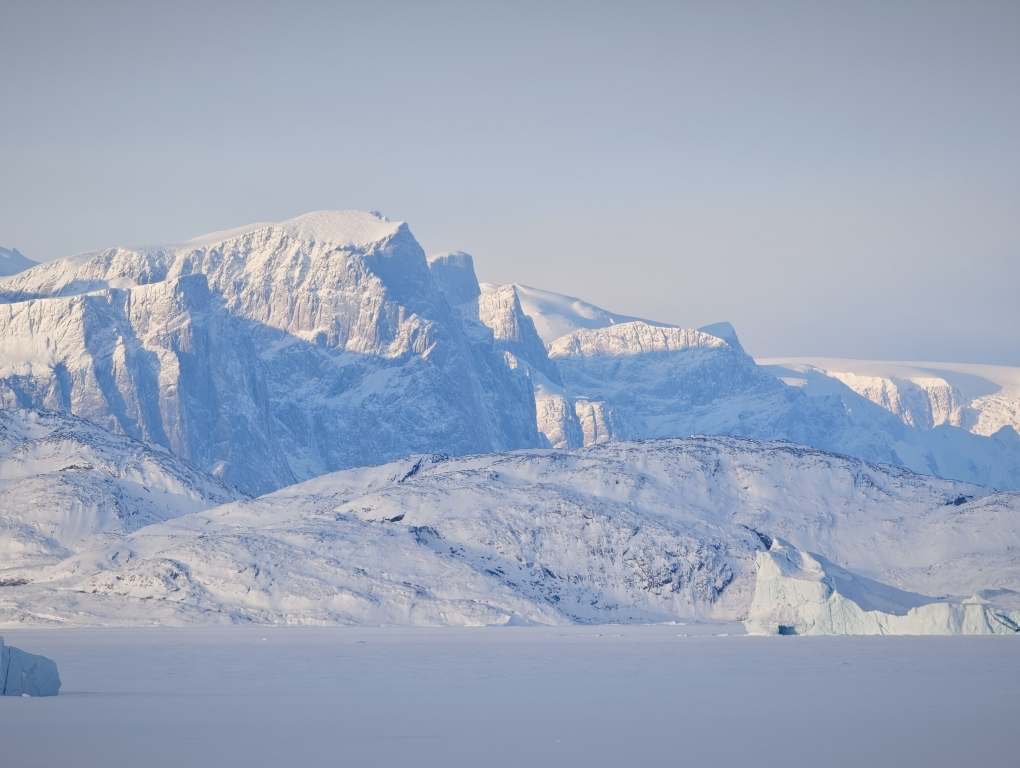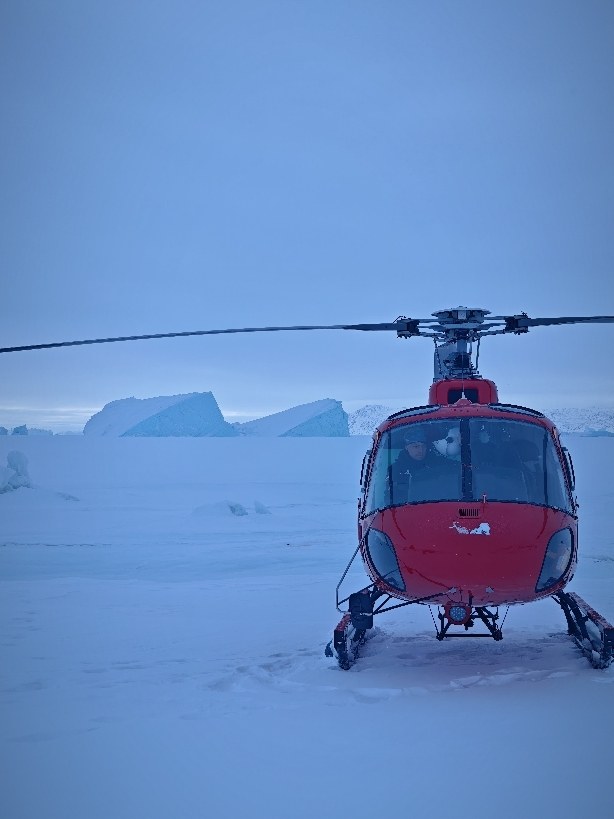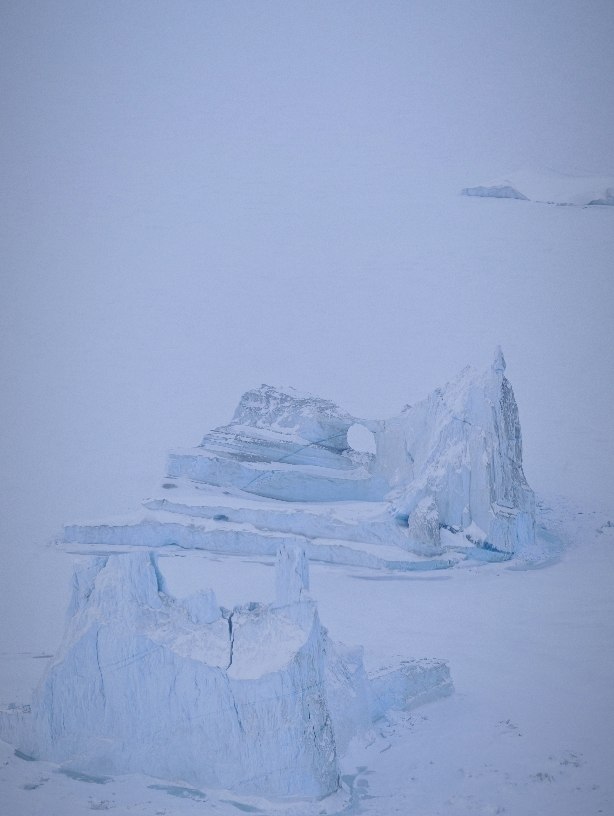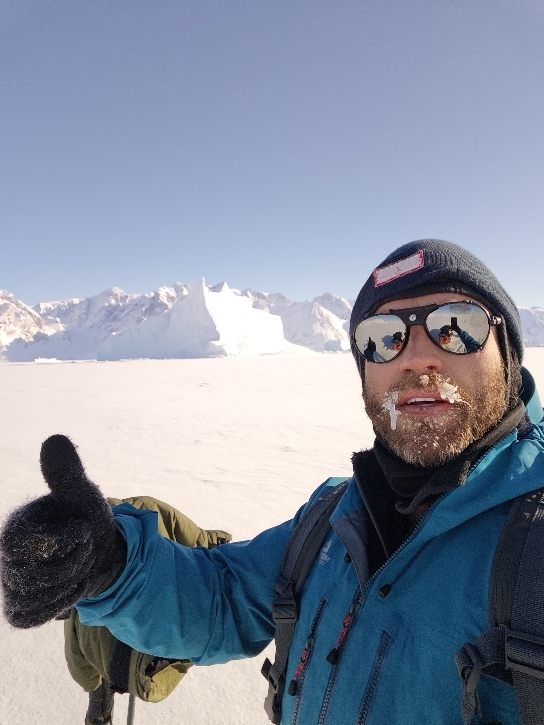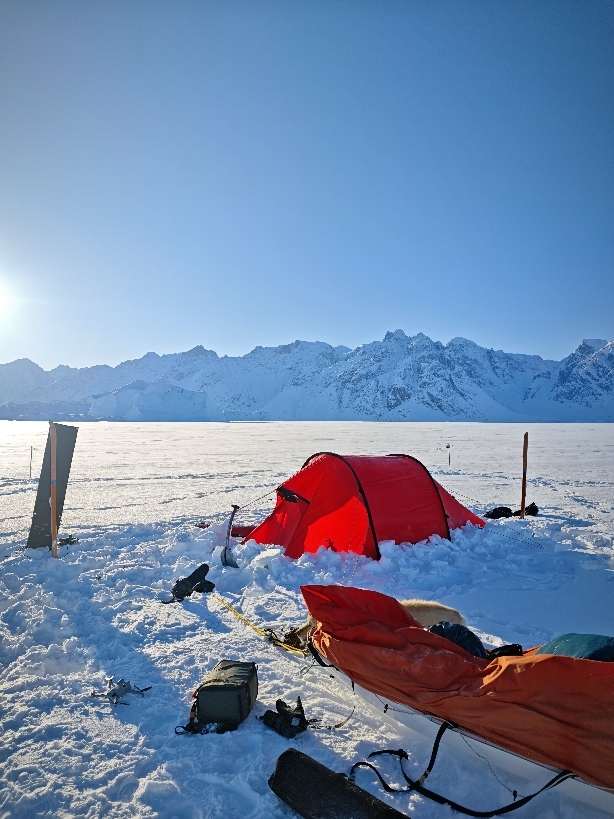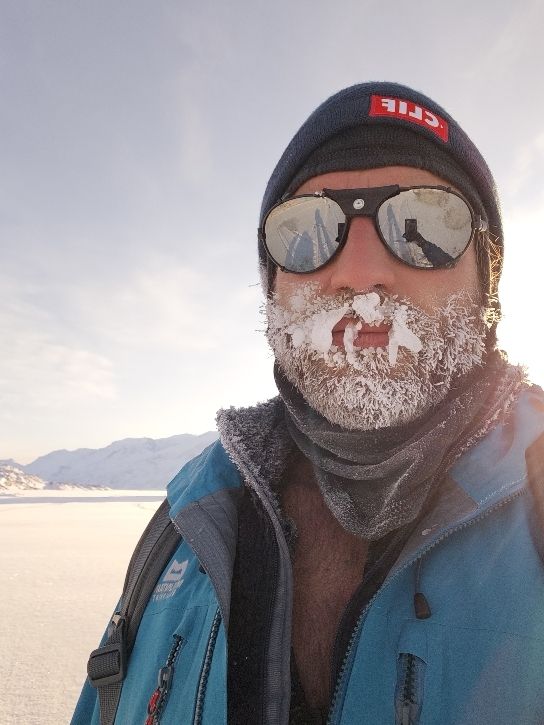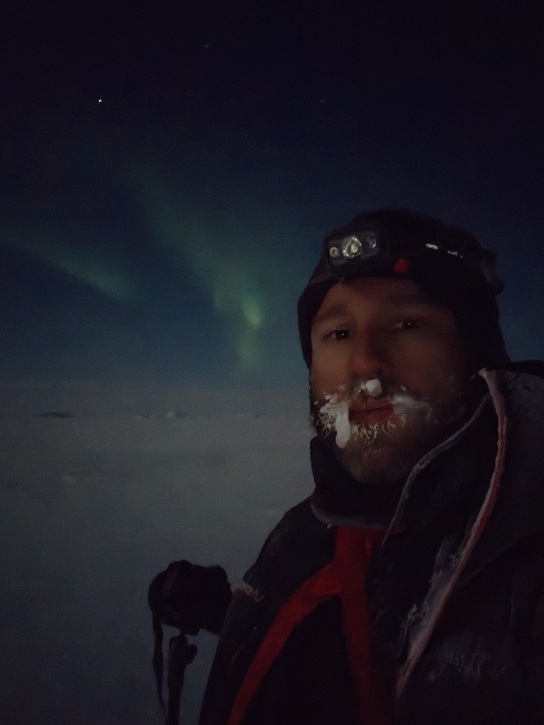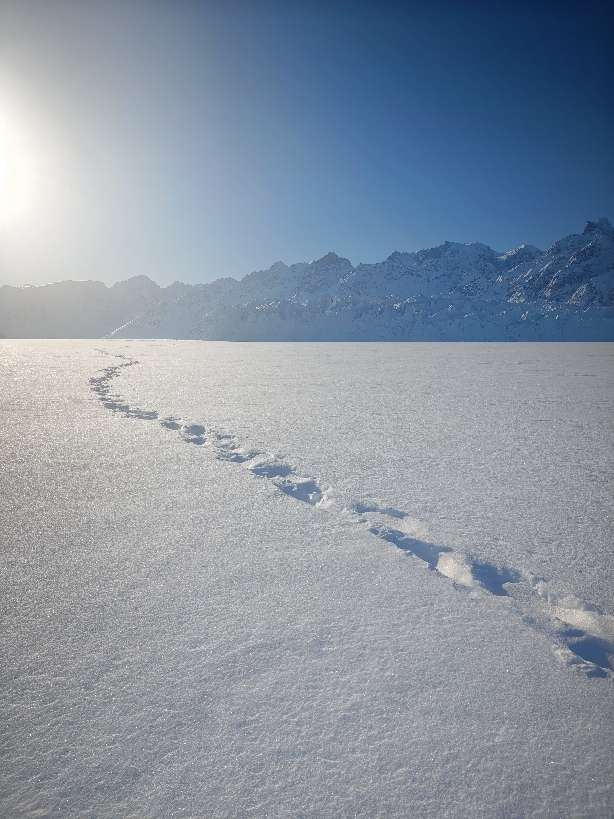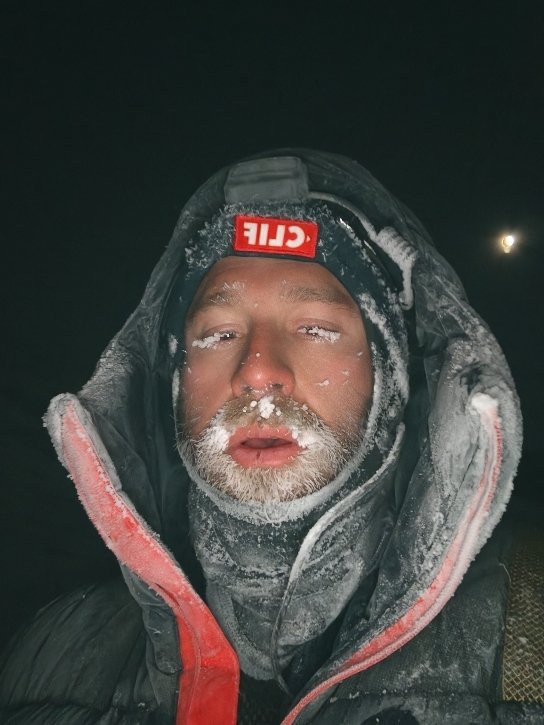





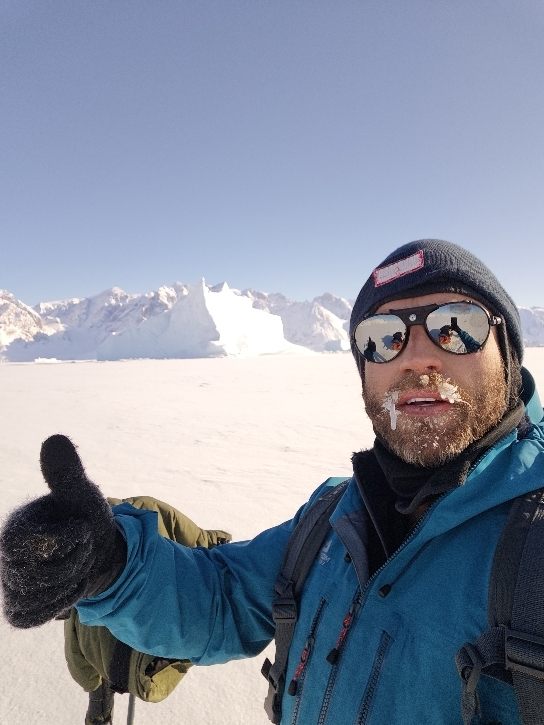
When Marcus Arnold stepped onto the frozen ocean off Greenland’s remote east coast, he did so with a clear plan, a defined route and a purpose grounded in both personal challenge and broader industry impact.
What has unfolded since is something far more instructive. Not because conditions have aligned with expectations, but because they have not.
When planning meets reality
Marcus’s ambition to complete a solo winter circumnavigation of Milne Land was always extraordinary. Traversing hundreds of kilometres of sea ice in temperatures well below minus 30 degrees, hauling a heavily loaded sled and operating entirely alone, represents a level of commitment that few would contemplate.
However, the Arctic does not negotiate with preparation.
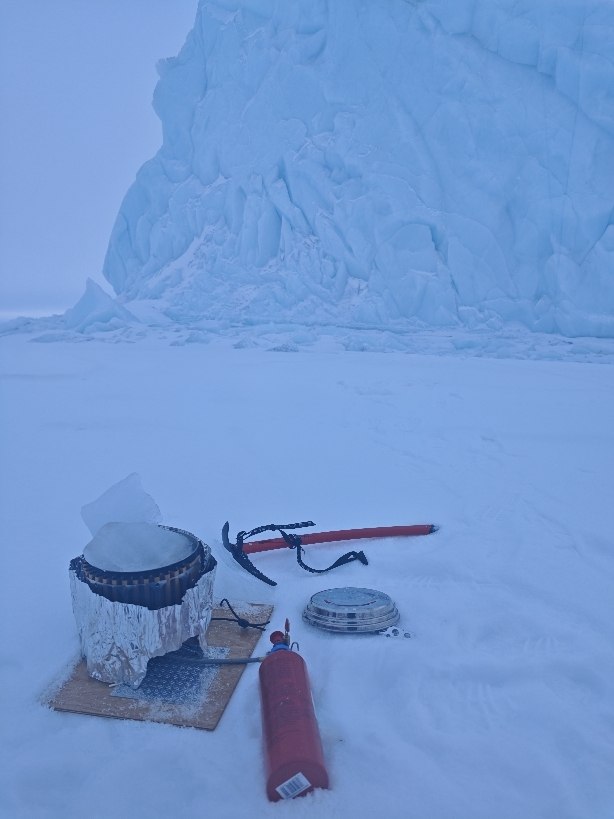
From the outset, progress has been shaped by deep snow, variable terrain and conditions that have consistently underperformed forecasts. Equipment has frozen. Sleep has been interrupted. Temperatures have dropped beyond anticipated thresholds. Wildlife presence, particularly polar bears, has shifted from an abstract risk to a constant and tangible consideration.
Even the expedition dog, intended as both companion and first line of defence, introduced a further layer of unpredictability.
These are not deviations from the expedition. They are the expedition.
“Sometimes success is just putting one foot in front of the other.”
An unpredictable companion
Among the many challenges Marcus has faced, the relationship with his expedition dog has proven to be one of the most complex and demanding.
In polar environments, dogs are more than companions. They provide early warning of wildlife, particularly polar bears, and play a critical role in both safety and mobility. However, the dog assigned to Marcus arrived with an unknown background and unpredictable behaviour.
At times, the dog resisted movement entirely, sitting down in deep snow or pulling against the sled, compounding the already significant physical effort required to progress. At other times, it attempted to run off, forcing Marcus to remain constantly alert and adaptive in how he managed the situation.
Sleep, already fragile in extreme cold, became even more elusive. The dog would howl and bark through the night, leaving Marcus uncertain whether it was responding to nearby wildlife or simply reacting to stress.
Yet what stands out most is not the difficulty, but Marcus’s response.
Rather than frustration, there is patience. Rather than detachment, there is empathy.
“The dog has become more used to me and we are building a bit of a bond, but he does not trust me yet. I feel really sorry for him, even though he has really impacted this trip, but that is not his fault.”
The discipline to adapt
One of the most defining moments of Marcus’s journey has not been a physical milestone, but a decision.
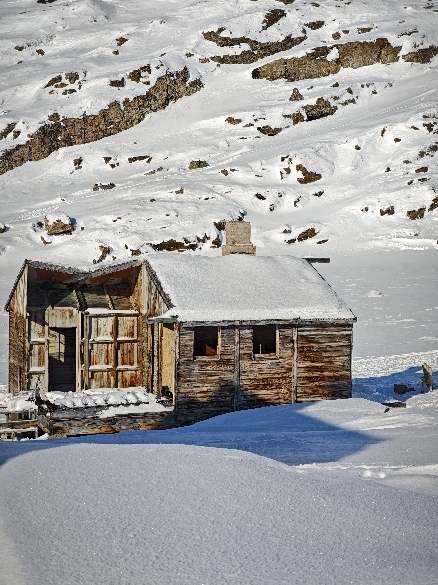
Faced with deteriorating conditions, mounting fatigue and an evolving risk profile, Marcus made the call to retreat to a hut, prioritising safety, recovery and reassessment over adherence to a predefined route.
“The mark of a professional is not rigid adherence to a plan, but the ability to respond intelligently when reality intervenes.”
Endurance beyond the physical
The physical demands of the expedition are significant. Long days of sustained effort in sub-zero temperatures, managing caloric intake, maintaining equipment functionality and navigating complex terrain all contribute to a sustained and cumulative load.
Yet it is the mental dimension that defines the experience.
“One foot in front of the other. One more day. Sometimes that is enough.”
A message that extends beyond the ice
Marcus’s expedition has always carried a purpose beyond the physical challenge, grounded in a commitment to raising awareness of mental health within the construction industry and supporting the work of Mates in Construction.
What his experience in Greenland has demonstrated, however, is that this purpose is not simply attached to the journey. It is embedded within it.
The parallels between Marcus’s environment and those faced across construction and infrastructure projects are striking. Operating in isolation, managing constantly shifting conditions, making decisions with incomplete or evolving information and maintaining performance under sustained pressure are realities familiar to many in the industry.
Marcus’s willingness to communicate openly throughout the expedition, including moments of uncertainty, recalibration and vulnerability, reinforces an important message. High performance does not come from suppressing difficulty. It comes from recognising it, responding to it and, when required, drawing on the support of others.
His reflections on relying on his team during training, and his openness about the challenges faced in the field, highlight a principle that extends well beyond the Arctic. Strength is not defined by enduring in silence. It is defined by connection, awareness and the ability to ask for support when it matters most.
In that sense, Marcus is not only undertaking an expedition. He is contributing to a broader shift in how the industry understands resilience, leadership and mental health.
Redefining what achievement looks like
It is easy to measure an expedition in kilometres completed or milestones reached. In traditional terms, success is often framed as the execution of a plan exactly as it was conceived.
However, environments such as Greenland do not reward rigidity. They demand awareness, adaptability and sound decision-making under pressure.
What Marcus has demonstrated is a more sophisticated and ultimately more valuable definition of achievement.
He has operated in one of the most extreme environments on earth, navigating physical hardship, environmental risk and psychological strain, while continuously assessing conditions and adjusting his approach. He has managed uncertainty not as an exception, but as a constant, making decisions that prioritise safety, sustainability and long-term outcomes.
Importantly, he has done so with a level of honesty and self-awareness that reinforces the leadership qualities required in high-risk environments.
“Putting your hand up when conditions change is not failure. It is leadership.”
In an industry where the stakes are high and conditions are rarely static, this perspective is critical. Achievement is not defined by unwavering adherence to a plan, but by the ability to respond intelligently when that plan meets reality.
Marcus’s journey illustrates that success is not diminished by adjustment. It is defined by it.
An extraordinary undertaking
There remains a tendency to equate success with the flawless execution of a plan. Marcus’s journey offers a more nuanced perspective.
Stay steady. Stay aware. Keep moving. One foot in front of the other.